Chapter 9
Infection Prevention and Control Service
Strengthening infection prevention and control in the community.

Understanding the challenge
During the COVID-19 pandemic, the Community Infection, Prevention and Control (IPC) Service helped to save lives. The service prevented serious illness and reduced pressure on hospitals and care homes. The pandemic increased awareness of infection control amongst the public and organisations. Maintaining strong practices in the long term can be difficult. Standards like handwashing, covering coughs and sneezes and cleaning surfaces can slip when people do not think the risk is high.
Community staff, like care home staff, have an important role to play to protect vulnerable people in their care from infections like flu, Covid, norovirus and respiratory syncytial virus (RSV). High staff turnover means there is a need to keep training new staff and ensure everyone understands correct practices. Effective IPC means fewer people get infections so fewer antibiotics are needed, which helps to slow the development of antimicrobial resistance. A strong service is needed to help protect people if there is another pandemic in the future, for example, a flu pandemic. A rise in vaccine hesitancy has increased the risk of outbreaks of vaccine-preventable diseases. This increases the importance of strong IPC services to reduce the spread of infection.
Drivers behind the change
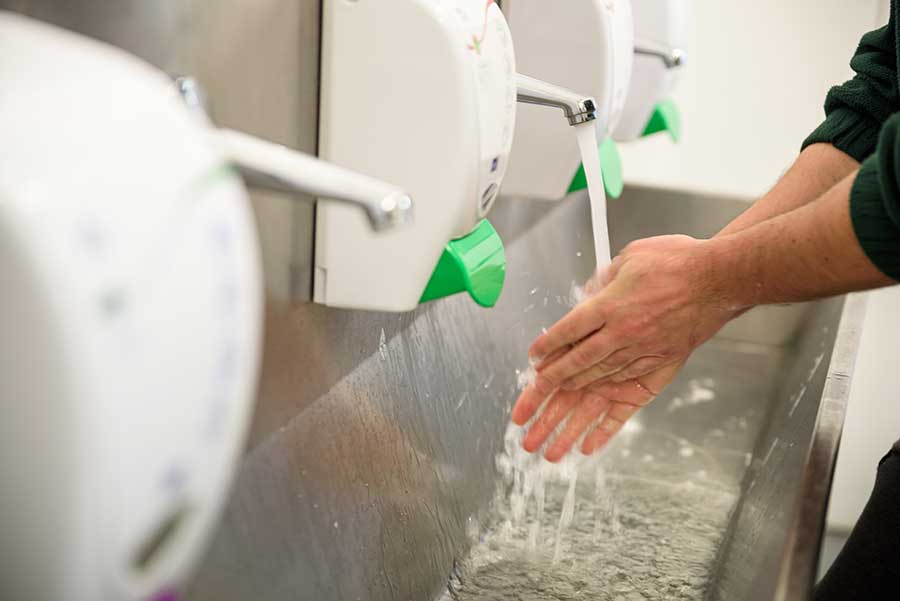
A person washing their hands with soap and water above a sink.
Building capacity and change
The service is provided by specialist infection prevention and control nurses. A key focus is put on training and support of new staff to build their confidence and skills. Care home staff can access training and support through a link practitioner programme.
Joined up working to prevent infection spread
Close working between partners is needed to respond quickly to incidents and outbreaks of infectious disease. The service works closely with UK Health Security Agency, NHS Partners, and other council departments including Adult Social Care and Environmental Health.
Supporting those at greater risk
The service focuses on high-risk settings such as care homes, Early Years settings, hostels and refuges. It also works with community partners to ensure that guidance for groups, who may face language, cultural or digital barriers is understandable, practical and culturally appropriate.
Driving quality improvement
Infection, prevention and control staff audit care homes, GP practices and minor surgery clinics to review infection control practices. They identify areas for improvement and provide advice and support to help services meet infection prevention standards and protect patients, residents and staff. They assess key standards in hand hygiene, sharps management, waste management and cleanliness.
The impact of the transformation of this service
Driving Quality Improvement
88 care home audits were completed to improve infection prevention standards.
92% of care homes received a final audit score of over 85% compliance
Outbreak response
100% of incidents received same‑day contact, with site visits within 24 hours (or next working day).
Building capacity and capability
196 staff trained, through link practitioner sessions.
Case studies
Tailored work with vulnerable communities
In collaboration with a range of community partners, the Infection, Prevention and Control Service supported a culturally sensitive response to an outbreak of Hepatitis A in a local, marginalised community. The work included engagement with trusted community partners and tailored communication on how the community could protect themselves. Effective communication led to 70 people choosing to get vaccinated.
Joined-up action
A cluster of wound infections were identified in a supported accommodation hostel. These were caused by a highlight infectious bacteria. Good infection control practice can be difficult in hostels. A rapid multi-agency was provided by the service working alongside hostel staff, UKHSA, Primary Care outreach teams, and the local tissue viability service. This prevented the wound infections progressing to more serious disease. Wound clinics being set up twice a week in hostels to enable early treatment and monitoring of effected residents. The cluster was effectively controlled through strong collaboration between partners to ensure timely prescribing of antibiotics, followup of wound-swab results, and flexible outreach to the hostel.
Clear communication between partners was also important to bring the cluster under control.

A mask, gloves and glasses laid out on a table as PPE.
From now to next
The next steps to strengthen infection prevention and control in the community include:
- Promotion of best practices in all community health and care settings.
- Increasing the reach of training for community staff.
- Further development of infection, prevention and control champions amongst frontline community staff to demonstrate and promote best practices to their peers and informal mentoring to build confidence and skills.
- Working with underserved communities to raise awareness of infection prevention – using culturally sensitive approaches.