Chapter 7
River Drug and Alcohol Support Service
Transforming community support for substance use with River.

Understanding the challenge
Liverpool has more problems with drug and alcohol than most of England. About 5,000 adults here in Liverpool are getting help for drug or alcohol problems, and some people have needed help for many years, especially those using drugs like heroin. Drug and alcohol use can cause serious health problems. It doesn’t only affect the person using them – it also hurts their family, their community, and their local area. A recent review found that Liverpool had lots of different services for drug and alcohol support. This made things confusing, repeated the same work, and made it hard for people to get the support they need. Liverpool needs a service that works well, is easy for people to use, and is built for what people need now and in the future. The government’s 10-year drug strategy “From Harm to Hope” says services need to work better together and create a strong recovery community.
Our vision for the new service
- Liverpool’s goal was to offer a single, high-quality service that:
- Supports all ages
- Offers both drug and alcohol help in one place
- Is based within local community settings
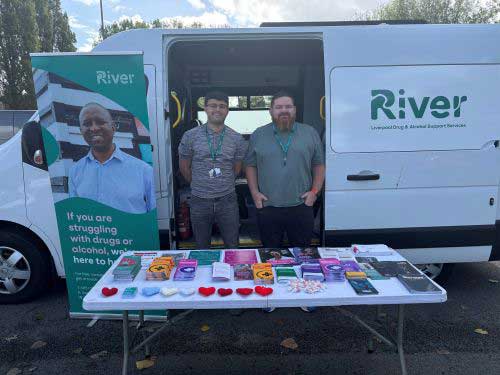
Drivers behind the change
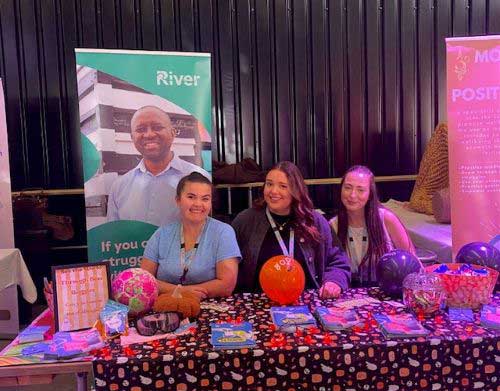
The service provides a high-quality offer on:
- Specialist support
- Health and wellbeing
- Prescribing support
- Emotional and practical support
- Online help
- Needle exchange
- Peer support
- Education and training
- Support for families and carers
Liverpool facts
A comparison between Liverpool and England
508,961 people live in Liverpool.
On average, men will spend 20.4 years (26.8%) of their lives in poor health
On average, women will spend 24.2 years (30.1%) of their lives in poor health
Case study – Probation, Family Motivation and Long-Term Abstinence
The service user is an adult male with a long-standing history of crack cocaine use and periods of instability affecting family life. Previous attempts to stop had been undermined by low confidence and inconsistent engagement.
He was referred to a probation-linked group intervention while still using occasionally. Following the first session, he stopped using crack cocaine and has remained abstinent.
As engagement progressed, he reflected on the impact of substance use on his mental wellbeing and family relationships and developed a renewed sense of control and purpose.
Outcomes
- Sustained abstinence from crack cocaine
- Improved confidence and emotional resilience
- Strengthened family relationships
- Reduced need for ongoing services
Case study – Support with Ketamine usage
Following the death of their parent, the service user presented to the River service in crisis. They reported escalating ketamine use, low body weight, chronic pain, and significant physical health concerns, including bladder damage that prevented them from participating in sport.
The service user was autistic and experiences particular difficulty coping with unfamiliar environments, which had previously acted as a barrier to accessing treatment.
Intervention
River’s approach prioritised flexibility, safety, and trauma-informed engagement, recognising the service user’s neurodiversity and complex family context.
The service user was supported via a specialist ketamine group and provided with emotional support, to address their ketamine use. River also provided advocacy and supported the service user to access health services regarding their physical health concerns.
Although residential rehabilitation was considered following stopping ketamine use, the service user chose not to proceed, feeling stable and motivated to continue recovery in the community. This decision was supported through continued outreach and group-based engagement.
Outcomes
With consistent community support, the service user achieved sustained abstinence from ketamine. They engaged with hospital services and their physical health improvements enabled a return to be playing football, significantly improving wellbeing and quality of life. The service user also had increased confidence and has expressed a desire to share their experiences to raise awareness of ketamine harms and support others in their recovery journey.
As trust in services improved, the service user requested support for a family member experiencing alcohol-related difficulties. With consent, a referral was completed and the family member also engaged with treatment. This led to an improved home environment and strengthened family relationships.
From now to next
The next steps include:
- Continue to promote the new River service and support more people to access treatment and support.
- Work collaboratively to reduce stigma and deliver trauma informed approaches.
- Deliver the Liverpool ketamine strategic action plan to reduce ketamine harms among young people by working together with schools, youth workers, health services, police and community groups.
- Strengthen our local recovery communities.
- Listen to people with lived experience and their families and create easy ways for people to share their views so services can keep improving and reach people and communities who don’t usually access support.
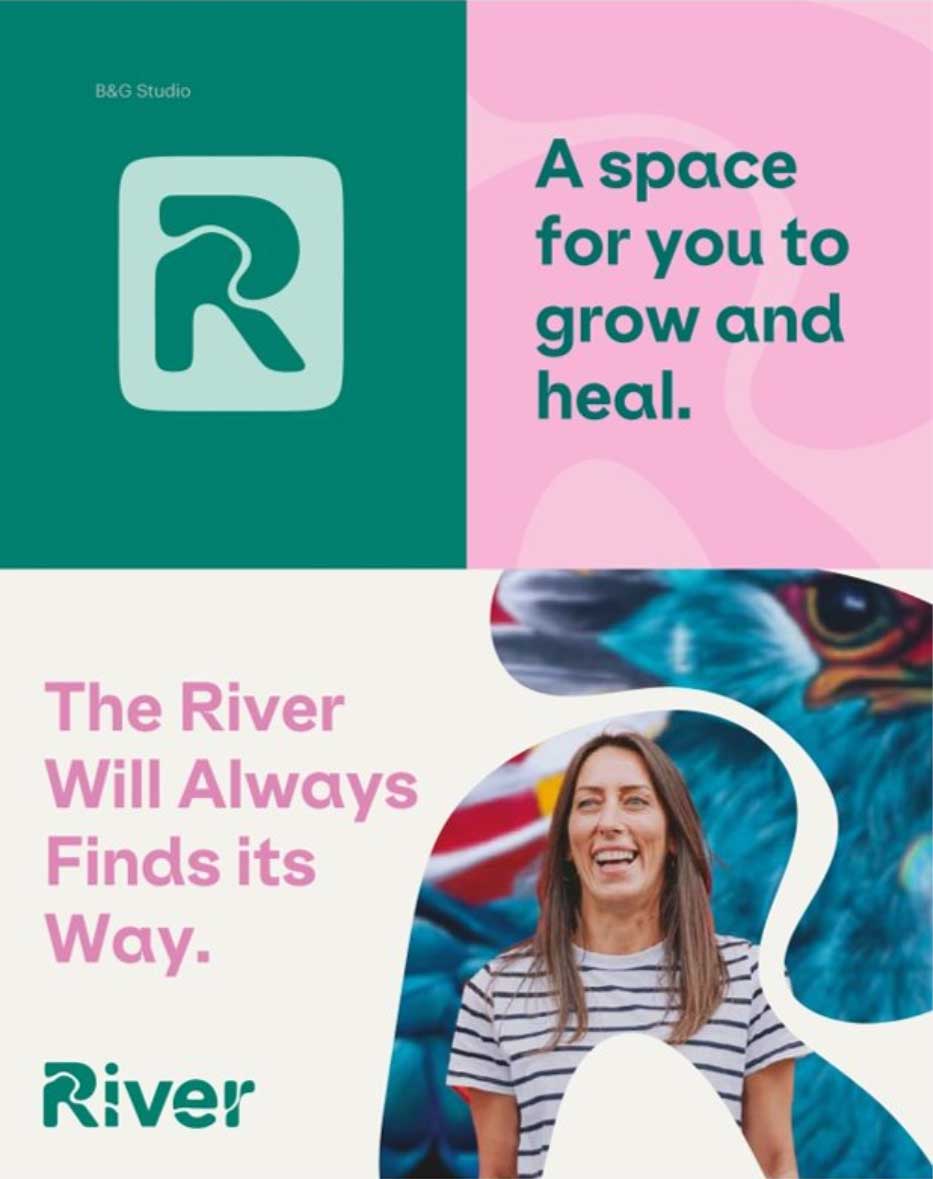
Promotional material and branding for River Drugs and Alcohol Support Service.